

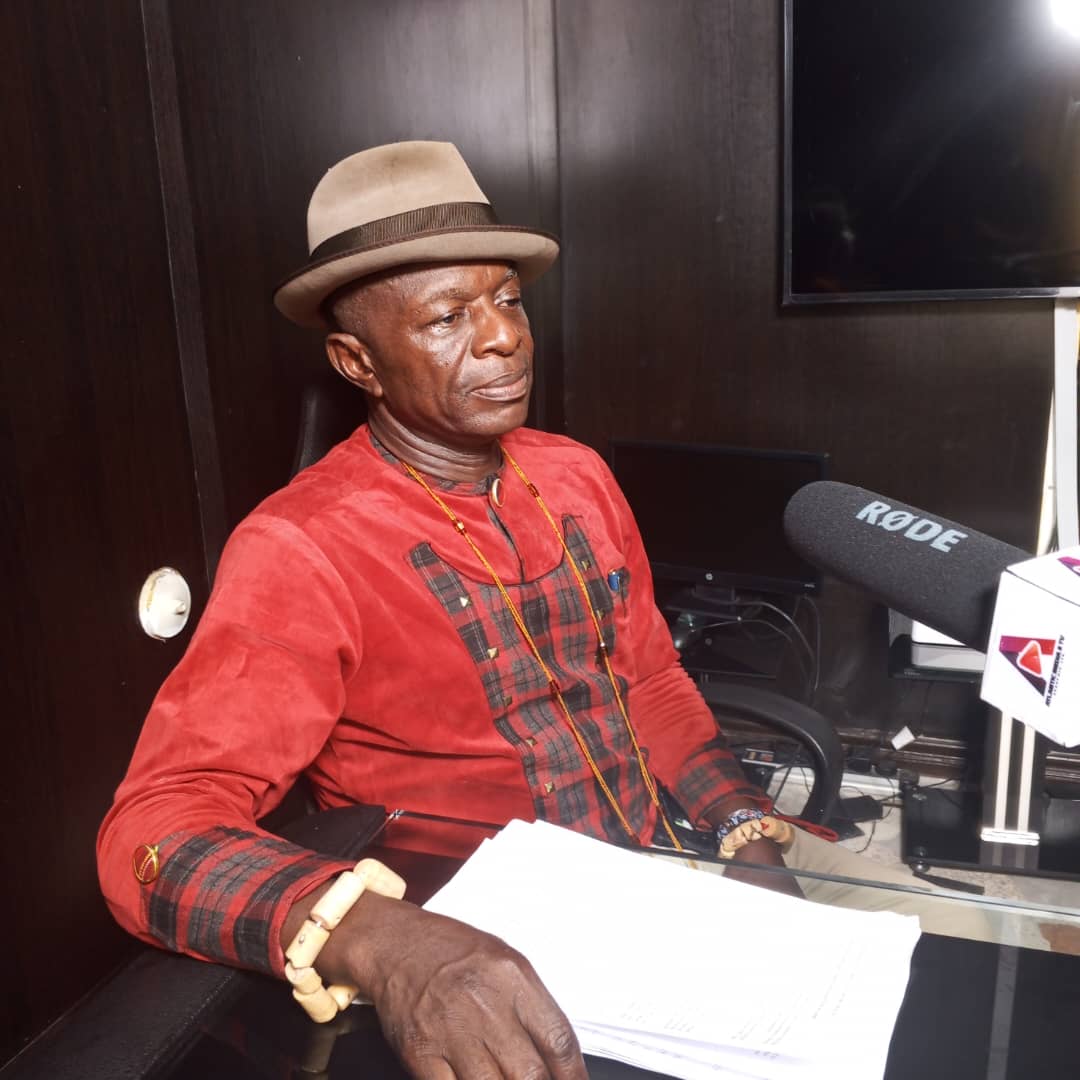
A RESPONSE TO MR. VICTOR OKUMAGBA
SETTING THE RECORD STRAIGHT ON WARRI
I am Barrister David Eyitemi Oki. This statement is issued in response to the recent media interview granted by Mr. Victor Okumagba, in which he advanced a distorted and misleading narrative concerning Warri, its history, and its ownership.
Silence in the face of falsehood emboldens error. It therefore becomes necessary indeed imperative, to confront these misrepresentations with historical truth, legal clarity, and cultural fact.
WARRI IS NOT A CONCEPT; IT IS A TERRITORY
Warri is not an abstract idea to be manipulated at convenience. Warri is a defined historical territory, comparable to Lagos, Ibadan, Calabar, and Ughelli. It is made up of numerous indigenous communities, villages, and towns, the overwhelming majority of which approximately ninety-five percent constitute the ancestral homeland of the Itsekiri people.
Mr. Okumagba’s attempt to reduce Warri to Idimi Sobo and Agbassa alone is not merely inaccurate; it is a deliberate distortion. By such logic, ancient Warri communities such as Okere, Odion, Merogun, Alders Town, Ugbori, and Ugbuwangue would suddenly cease to exist as Warri. That position collapses under the weight of common sense and historical reality.
More troubling still is the contradiction at the heart of this narrative. Certain Urhobo elements within Warri have in recent times rejected the name “Warri,” preferring “Wado City,” yet now assert Urhobo ownership of Warri. One cannot repudiate a name and simultaneously claim dominion over it. You cannot disown a house and later present yourself as its owner.
HISTORY IS STUBBORN AND IT DOES NOT LIE
Warri existed as a political and territorial entity long before the arrival of Sobo (Urhobo) migrants. From time immemorial, the Olu of Warri has been the sovereign monarch of Warri. This is not folklore; it is documented history.
As early as the 16th and 17th centuries, European records referred unambiguously to the King of Warri. In 1607, the King of Portugal issued a formal decree referencing the King of Warri and his son, Prince Domingos. Empires do not exchange correspondence with imaginary kingdoms.
Any subsequent alteration in royal titles occurred strictly for administrative convenience during colonial rule, particularly when large portions of what is now Delta State were designated as Warri Province. Administrative convenience does not extinguish sovereignty.
OKERE AND IDIMI SOBO: FACTS, NOT FICTION
Okere was founded by Ekpenede, a Benin warrior, and his followers. One of his descendants later married an Urhobo woman and accommodated her migrant brothers. That singular act of hospitality has since been exaggerated beyond recognition and repackaged as a claim of ownership.
Okere comprises six quarters:
• Ode Kporo
• Ode Ile
• Ajamimogha
• Idimi Jakpa
• Ogun Obite
• Idimi Sobo
Idimi Sobo was precisely what the name denotes: the quarter allocated to in-laws and migrant settlers. Over time, this name was distorted, first to Idimi Urhobo, later to Otor-Orere, and subsequently to Okere-Urhobo. Renaming does not confer ownership. Prolonged residence does not rewrite history.
These settlers were received, settled, and assimilated into Itsekiri culture by the Okere people, in keeping with long-established global norms of hospitality and integration.
CULTURAL EVIDENCE THAT CANNOT BE ERASED
Cultural affiliation leaves a deep and indelible imprint.
Members of the Okumagba family, including Mr. Victor Okumagba’s father and elder brother, were devoted adherents of the Okiroro-Awankere deity and active participants in the Okiroro-Awankere Festival, popularly known as the Okere Juju Festival, a central institution of Itsekiri spiritual and cultural life in Okere.
Mr. Okumagba’s paternal grandfather gave his children Itsekiri names, including Ogodogbo. Other members of the family bore names such as Oyeofoetsogho, Etsofonetorinmi, Eruaye, Uyakominor, Eminokanju, and Eyekpinmi. Names are not accidental; they are declarations of belonging.
Even more telling, Mr. Victor Okumagba possesses direct Itsekiri lineage. His mother is the daughter of Pa Omadeli of Ugborodo. Bloodlines do not evaporate under the pressure of political narratives.
THE LAND CASE: MISREPRESENTATION EXPOSED
Let there be no ambiguity.
The frequently referenced court case was not about the ownership of Warri. It concerned a defined parcel of land measuring 281.1 acres. No title was conferred. Only possessory rights were determined.
The principal claimant, Pa Oyibo Idundun is an Indegenes of Idimi Sobo and senior brother to Okumagba the grandfather of Victor Okumagba. Both were sons of Idama of Olodi stock. The principal defendant was Daniel E Okumagba first cousin to Pa Oyibo Idundun.
SELECTIVE LAW IS NO LAW
Mr. Okumagba’s invocation of the rule of law is selective. The law is not a tool to be deployed only when it favours one narrative.
Under customary law, the Agbassa people are tenants of the Olu of Warri. Tenants do not execute treaties. Tenants do not claim sovereignty. Tenants do not rewrite history.
It is now evident that the Idimi Sobo people have expanded beyond the 281.1 acres over which possessory rights were recognised. Lawful steps are, therefore, underway to recover encroached Itsekiri lands in accordance with established legal processes.
FINAL WORD
Warri is not up for renegotiation.
Its history is not subject to political convenience.
Its ownership is not determined by media interviews.
Warri is Itsekiri land.
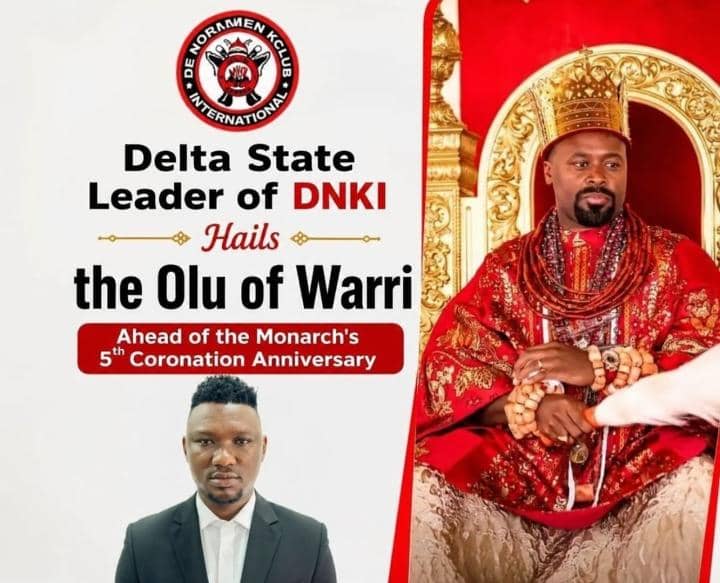
The Olu of Warri remains its sovereign.
History, law, culture, and truth stand firmly on this side.
Falsehood may shout, but truth endures.






Leave a Reply