

Awakening the Vanguard: IYE Chart a New Path For Youth Advocacy and Regional Peace
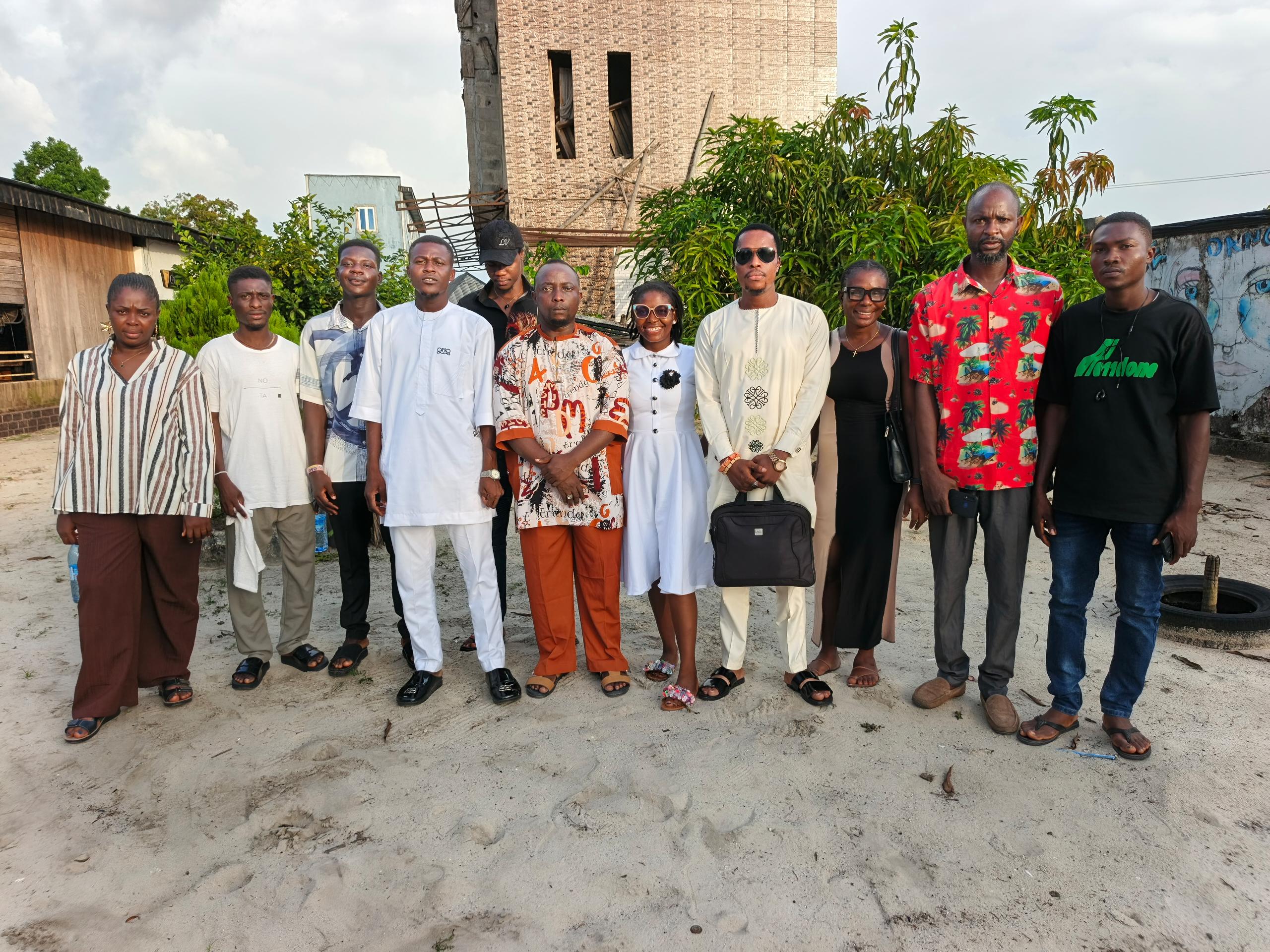
Warri – On April 5, 2026, what might have passed for a routine monthly meeting unfolded instead as a moment of reckoning. The Itsekiri Young Elites (IYE), a body increasingly aware of its place in the moral and political architecture of the Itsekiri ethnic nationality’s, gathered not merely to deliberate, but to interrogate the very foundations of youth participation in the life of the kingdom.
Led by President Comrade Lily-white O. Esigbone, alongside Vice President Comrade Ireyefoju Esther Toye and Secretary Comrade Eboma Touyo Michael, the meeting bore the marks of intentional leadership. There was a quiet urgency in the air, an understanding that the future, long deferred, had begun to demand clarity, courage, and consequence.
At the heart of the discussions was a question both simple and unsettling; what has been the true role of Itsekiri youths in the affairs of the kingdom? The answers came, not in whispers, but in stark, unvarnished truths. For too long, it was argued, young people had functioned as instruments, willing or unwitting executors of decisions shaped elsewhere. The phrase “enforcers of the leaders’ will” lingered heavily, demanding reflection rather than denial.
Yet, this was not an exercise in blame. It was, instead, a call to awakening. Participants spoke of a dangerous gap,not of strength or numbers, but of awareness. The tragedy, they agreed, is not merely that youth are used, but that they often do not know their own worth. In that ignorance lies vulnerability; in awareness, however, lies power.
There was a shared conviction that once young people grasp their intrinsic value, they become ungovernable in the most constructive sense. They refuse manipulation. They question motives. They withdraw consent from actions that corrode communal heritage. In this way, they transform from passive participants into active custodians of the kingdom’s future.
The conversation then turned, as it must, to peace, not as an abstract virtue, but as a deliberate strategy. Peace, the gathering affirmed, is the soil in which all meaningful development takes root. Without it, ambition withers, and progress becomes a fleeting illusion. With it, however, the possibilities expand.
But peace, they insisted, is not self-sustaining. It must be cultivated, defended, and, when necessary, enforced. The same energy that has too often been spent in conflict, they argued, can be redirected toward preserving stability. In this reframing, the youth are not merely beneficiaries of peace; they are its architects and guardians.
Equally compelling was the emphasis on mindset. Before institutions can change, the mind must evolve. IYE stressed that intellectual development, critical thinking, self-awareness, and informed engagement, is the bedrock upon which lasting transformation is built. Without it, even the most well-meaning efforts risk collapse.
With elections on the horizon, the discourse naturally shifted to politics. Here, the tone sharpened. There was a collective rejection of what was described as the “politics of personality”, a system that elevates charisma over competence and loyalty over results. In its place, the youth called for a more exacting standard; leadership measured by tangible impact.
No longer, they insisted, will young people serve merely as campaign foot soldiers. Their role must evolve into that of evaluators, thinkers, and, where necessary, challengers. The future demands a generation that does not simply follow, but questions; that does not merely support, but scrutinizes.
As the meeting drew to a close, what remained was not just the memory of words spoken, but the sense of something shifting, quietly, but unmistakably. The Itsekiri Young Elites are beginning to understand that the destiny of the region will not be handed to them; it must be shaped by them.
In this awakening lies both promise and responsibility. For if the youth truly embrace their role, not as tools, but as thinkers, builders, and guardians, then the story of the Delta may yet be rewritten, not in the language of conflict, but in the enduring grammar of peace, dignity, and purposeful change.











Leave a Reply